The power of structured social sessions for reactive dogs
How controlled group environments can transform a reactive dog into a confident, balanced companion.
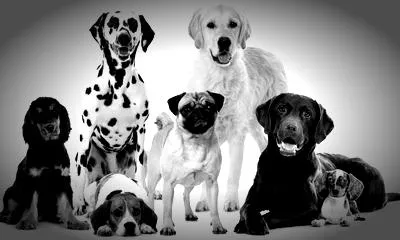
If you have a reactive dog — one that barks, lunges, or shuts down around other dogs — the idea of group socialisation probably sounds like a nightmare. But here’s the counterintuitive truth: structured social sessions, done correctly, are one of the most powerful tools for helping reactive dogs become confident, calm companions.
The key word is structured. This isn’t a dog park free-for-all. It’s a carefully managed environment where every interaction is intentional.
What makes a session “structured”?
At Unleashed, our Structured Social Sessions are built on a few core principles that separate them from casual dog park visits:
Controlled introductions. Dogs don’t just get thrown together. Each dog is assessed individually, and pairings are made based on energy levels, temperament, and current emotional state. A nervous border collie isn’t paired with a high-energy boxer on their first session.
Trainer-led activities. Every session has a purpose. We cycle through group obedience, impulse control exercises, parallel walking, and guided play. This gives dogs a job to focus on rather than fixating on each other.
Clear boundaries and rest periods. Dogs get regular breaks. Arousal levels are monitored constantly, and any dog showing signs of stress or over-excitement is calmly removed for a reset. This prevents the emotional flooding that happens at chaotic dog parks.
Why this works for reactive dogs
Reactivity is almost always rooted in one of two emotions: fear or frustration. A reactive dog isn’t “bad” or “aggressive” — they’re overwhelmed and don’t have the skills to cope with their emotional response.
Structured social sessions work because they address the root cause:
Predictability reduces anxiety. When a dog knows what to expect — arrival routine, warm-up, structured activities, cool-down — their nervous system can relax. Predictability is the antidote to anxiety.
Positive associations build confidence. Every session is designed so that being around other dogs predicts good things: treats, play, swimming, praise. Over time, the dog’s emotional response to other dogs shifts from “threat” to “opportunity.”
Gradual exposure builds tolerance. We start at a distance and intensity level where the reactive dog can succeed, then gradually increase the challenge. This is called systematic desensitisation, and it’s the gold standard in behavioural modification.
What a typical session looks like
Our sessions run for about three hours and include pick-up and drop-off. A typical session might include: arrival and decompression walk, group obedience in a structured formation, impulse control games, free play in compatible groups, swimming and exploration, and a cool-down period before heading home.
Dogs come home tired, calm, and fulfilled — not wired and overstimulated like they might after an unstructured dog park visit.
Real results
We’ve seen dogs go from lunging and barking at the sight of another dog to calmly walking in a group within weeks. Not because we suppressed their behaviour, but because we gave them the skills and confidence to handle social situations.
The transformation isn’t just visible in sessions — owners report calmer behaviour at home, better leash manners, and less anxiety in everyday situations. When a dog feels socially confident, it changes everything.
If your dog struggles with reactivity, don’t give up on socialisation. They just need the right kind — and that’s what structured sessions are designed to provide.